


Contents
- 1 Role Breakdown: Scaffolder vs Scaffolding Supervisor in KSA
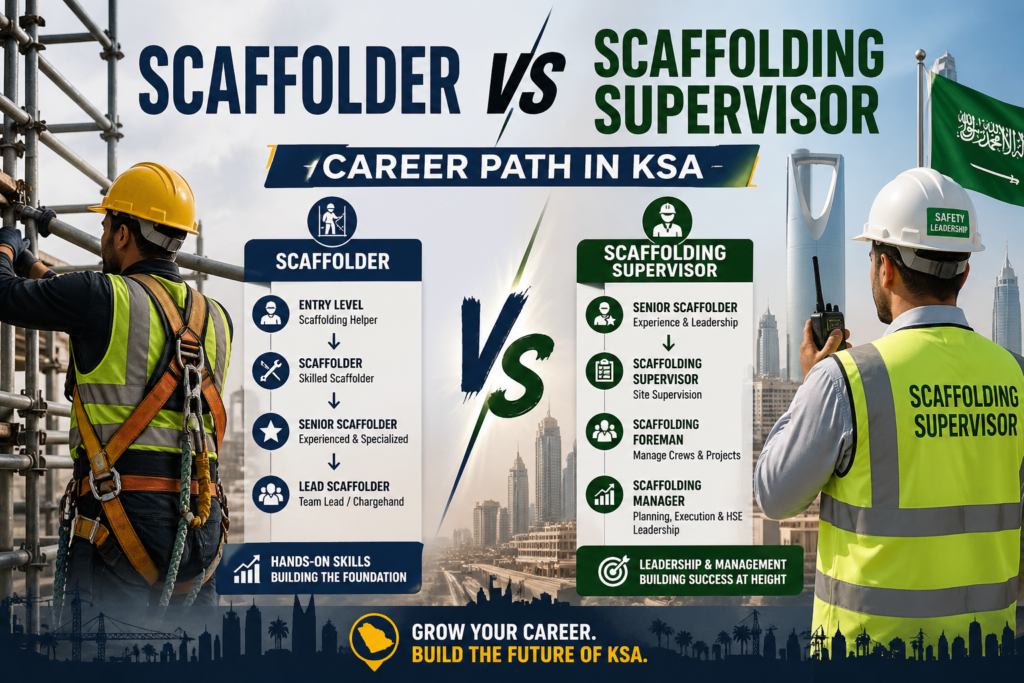
- 2 Career Progression Path: From Helper to Superintendent
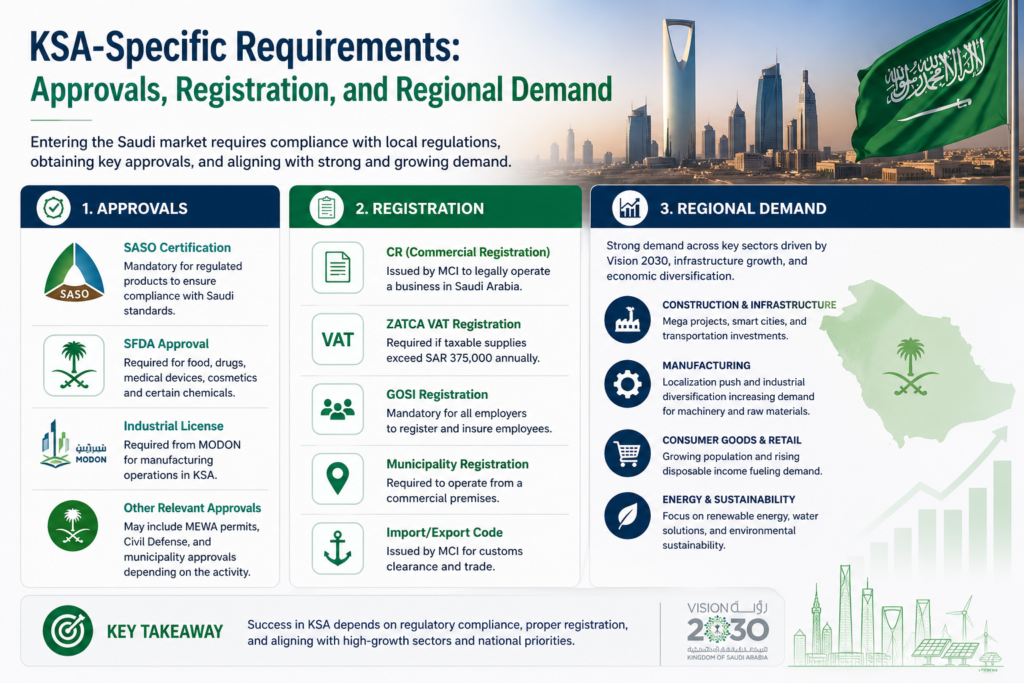
- 3 KSA-Specific Requirements: Approvals, Registration, and Regional Demand
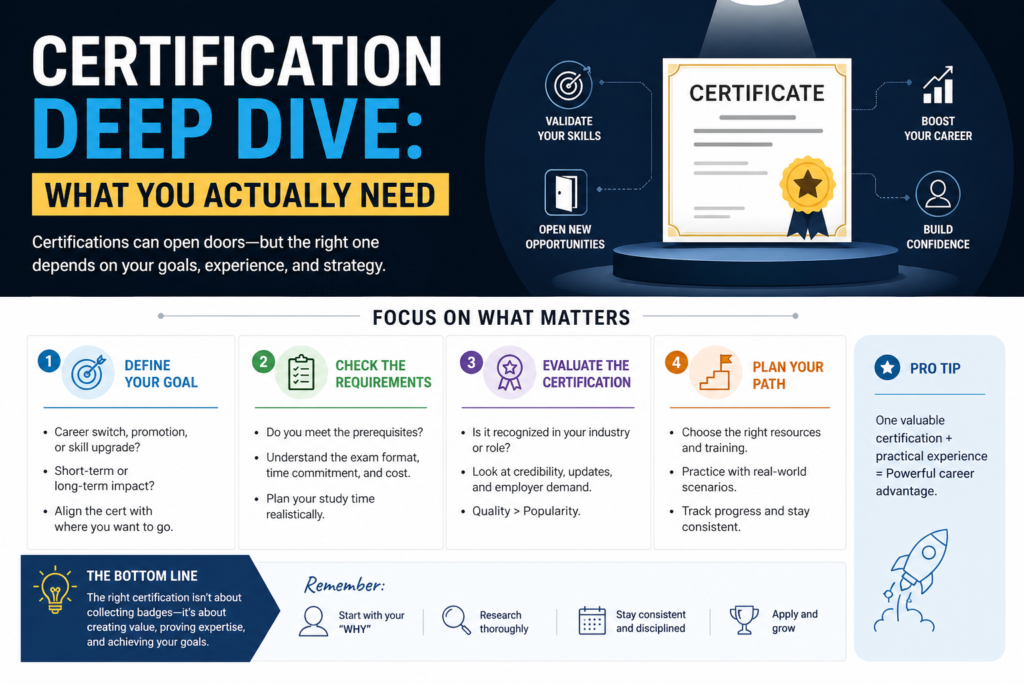
- 4 Certification Deep Dive: What You Actually Need
- 5 FAQ
- 5.1 What is the difference between a scaffolder and a scaffolding supervisor in KSA?
- 5.2 How do I become an Aramco-approved scaffolding supervisor in Saudi Arabia?
- 5.3 What certifications are required for scaffolding jobs in Saudi Arabia?
- 5.4 How much does a scaffolding supervisor earn per hour in KSA?
- 5.5 How many years of experience do I need to become a scaffolding supervisor in KSA?
- 5.6 Can a scaffolder work in KSA without Aramco approval?
- 5.7 What is the career growth path in scaffolding in Saudi Arabia?
- 5.8 Is SEC approval the same as Aramco approval for scaffolding in KSA?
- 6 Conclusion: Planning Your Move from Scaffolder to Supervisor
Saudi Arabia’s construction sector is expanding. Vision 2030 is driving massive infrastructure projects, and Aramco is consistently growing its facilities. This means the need for qualified scaffolding professionals has never been greater. Whether you’re a scaffolder aiming to advance your career or an HR manager trying to understand this market, distinguishing between these roles is important. The difference between a ground-level scaffolder and a supervisor involves more than just responsibility; it includes certifications, approvals, and a substantial salary increase. According to Naukrigulf, 463 scaffolder job vacancies are available across Saudi Arabia. Only a fraction of these roles, however, require the Aramco-approved supervisor credentials that bring higher pay.
TL;DR: Scaffolders in KSA earn SAR 14-21/hr building structures. Supervisors with Aramco approval make SAR 80-100/hr managing teams and compliance. Advancing requires CISRS certification, 5-8 years of experience, and site-specific approvals. With 463 scaffolder vacancies listed (Naukrigulf, 2026), the market is active for both entry and supervisory roles.
Role Breakdown: Scaffolder vs Scaffolding Supervisor in KSA
The distinction between these positions is clear. According to Glassdoor, 23 scaffolding jobs are listed in Saudi Arabia as of 2026, with supervisory roles requiring significantly different qualifications. A scaffolder is hands-on, directly working with tubes, couplers, and boards. A supervisor manages people, ensures adherence to rules, and takes legal responsibility for site safety.
Scaffolder (Basic Level)
- Daily Responsibilities: Erecting and dismantling scaffolds, loading/unloading materials, following supervisor instructions, basic inspection of work area
- Experience Required: 2-4 years in scaffolding work
- Certifications: CISRS Part 1 (Scaffolder), basic safety training, sometimes CITB card
- Salary Range: SAR 14-21 per hour (approximately SAR 2,500-3,800/month)
- Reports To: Scaffolding foreman or supervisor
- Typical Work: Physically demanding, repetitive tasks, working at heights
Scaffolding Supervisor
- Daily Responsibilities: Planning scaffold designs, inspecting completed structures, managing teams of 10-30 workers, completing handover certificates, coordinating with clients and safety officers, ensuring OSHA/Aramco compliance
- Experience Required: 5-8 years minimum (including 2-3 years as foreman)
- Certifications: CISRS Scaffolding Supervisor, CITB Advanced Scaffolding Inspection Training Scheme (ASTS), often TUV-certified training modules
- Mandatory Approvals: Aramco S1 or S2 approval for Aramco sites, SEC approval for electrical sector projects
- Salary Range: SAR 80-100 per hour on rental/contract basis (approximately SAR 14,400-18,000/month)
- Reports To: Project manager, scaffolding superintendent, or site manager
- Typical Work: 40% planning/paperwork, 30% on-site inspection, 30% team management
The salary difference reflects the level of responsibility. A supervisor signs off on structures that, if they fail, could cause serious accidents and halt multi-million riyal projects. That signature demands certification. In KSA’s oil and gas sector, it requires Aramco approval.
Our insight: Many scaffolders reach a plateau after 4-5 years of experience because they do not pursue formal CISRS certification. Without that supervisor card, they compete for the same basic roles, regardless of their experience. The certification is not just a piece of paper; it’s a way to significantly increase hourly rates.
Career Progression Path: From Helper to Superintendent
The scaffolding career path in KSA is well-defined. However, advancement isn’t automatic. According to Naukrigulf, several scaffolding supervisor vacancies requiring valid Aramco approval were posted throughout 2026. This shows that certification holds more weight than years of experience alone.
1. Scaffolding Helper (0-1 year)
- Entry-level position
- Material handling, site cleanup, assisting scaffolders
- No formal certification required
- Salary: SAR 10-14/hour
- What unlocks promotion: Demonstrating reliability, basic safety awareness, physical capability
2. Scaffolder (1-4 years)
- Independent erection and dismantling under supervision
- CISRS Part 1 certification obtained
- Salary: SAR 14-21/hour
- What unlocks promotion: CISRS Part 1 card, 2-3 years of documented work, willingness to learn planning and inspection
3. Scaffolding Foreman (4-6 years)
- Leading teams of 5-10 scaffolders
- Basic inspection and quality control
- CISRS Advanced Scaffolder or Part 2 certification
- Salary: SAR 25-35/hour
- What unlocks promotion: CISRS Supervisor course completion, 2+ years as foreman, passing Aramco approval process (if targeting oil & gas)
4. Scaffolding Supervisor (6-10 years)
- Complete design, planning, and compliance responsibility
- CISRS Supervisor certification mandatory
- Aramco approval for oil & gas sites
- Salary: SAR 80-100/hour
- What unlocks promotion: Project management skills, multiple site experience, superintendent training, often bachelor’s degree or equivalent
5. Scaffolding Superintendent (10+ years)
- Oversight of multiple sites, budgeting, strategic planning
- Company leadership position
- Salary: SAR 20,000-35,000/month + benefits
- Requirements: Extensive supervisory experience, proven project delivery, strong client relationships
The advancement from scaffolder to supervisor generally takes 5-8 years. This timeline, however, is only accurate if you actively pursue certification. Without CISRS credentials, you will likely remain a scaffolder, regardless of your years in the field.
KSA-Specific Requirements: Approvals, Registration, and Regional Demand
Saudi Arabia’s scaffolding market operates differently from other GCC countries. According to Pentabell, scaffolding supervisor roles for energy sector clients in Saudi Arabia specifically require Aramco approval in 2026. This makes this credential essential for work in oil and gas.
Aramco Approval (S1/S2)
This approval is required for anyone working on Saudi Aramco sites. The approval process includes:
- CISRS Scaffolding Supervisor certification verification
- Medical fitness exam (vision, height tolerance, physical capacity)
- Background check and previous employment verification
- Training course completion at Aramco-approved centers (typically 3-5 days)
- Renewal every 2-3 years with refresher training
S1 approval covers general scaffolding supervision. S2 approval includes advanced inspection authority and is needed for larger, more complex structures.
SEC Approval
The Saudi Electricity Company (SEC) requires separate approval for workers on electrical infrastructure projects. This involves:
- Electrical safety training
- Arc flash and high-voltage awareness
- SEC-specific site induction
- Often overlaps with Aramco approval but is not interchangeable
Our insight: Many workers assume Aramco approval covers all major Saudi projects. This is not the case. SEC, SABIC, and other major clients maintain their own approval systems. If you aim to work across different industries, plan for time and expense related to multiple approval processes. Each typically costs SAR 1,500-3,000 and takes 2-4 weeks to complete.
Ajeer Registration
All expatriate workers in KSA must be registered through the Ministry of Human Resources and Social Development’s Ajeer system. For scaffolders transferring between companies:
- Iqama transfer requires current employer release (or 3-month notice period expiration)
- New employer must confirm job offer through Ajeer
- Profession code must match (scaffolder or supervisor classification)
- Some workers face bans if leaving before contract completion
Top Hiring Locations
According to Naukrigulf data from 2026, scaffolding vacancies are concentrated in these cities:
- Jubail — Petrochemical hub, consistent Aramco contractor demand
- Riyadh — Vision 2030 infrastructure projects, Riyadh Metro expansion
- Khobar/Dammam — Oil & gas maintenance, Eastern Province industrial zone
- Ras Tanura — Aramco refinery operations
- Al Wajh — NEOM construction (emerging but growing rapidly)
Salaries in Jubail and Eastern Province sites typically run 10-15% higher than Riyadh. This difference is due to living costs and remote location premiums.
Certification Deep Dive: What You Actually Need
The certification landscape is often confusing for many workers. According to Naukrigulf, scaffolding supervisor roles require valid CISRS Scaffolding Supervisor Certification as of 2026. Several postings emphasize this requirement. Here’s what is important:
CISRS (Construction Industry Scaffolders Record Scheme) — UK-based, globally recognized
- Part 1: Basic Scaffolder (3-5 day course after 18 months of work)
- Part 2: Advanced Scaffolder (additional training modules)
- Supervisor: Full supervisory certification (requires Part 1 + 3-4 years experience + 10-day course + exam)
- Renewal: Every 5 years with continuing professional development (CPD) points
CISRS cards are the industry benchmark in Saudi Arabia’s oil and gas sector. Aramco and major contractors prioritize CISRS over local certifications.
CITB (Construction Industry Training Board) — UK-based, complementary
- Often required alongside CISRS
- Covers health & safety, advanced scaffolding inspection (ASTS), temporary works coordination
- ASTS (Advanced Scaffolding Inspection Training Scheme) is particularly valued for supervisory roles
TUV Certification
- German technical certification body
- Provides training modules on scaffold design, load calculations, inspection protocols
- Some Aramco contractors require TUV-certified training completion
Local KSA Training
- Saudi-based training centers offer Aramco-specific courses
- These courses prepare you for Aramco approval exams but do not replace CISRS
- Typically 3-5 days; cost SAR 2,000-4,000
For someone beginning without prior certifications, the approximate cost of this certification pathway is:
- CISRS Part 1: £500-700 (SAR 2,400-3,400)
- CISRS Supervisor: £800-1,200 (SAR 3,900-5,800)
- Aramco approval training: SAR 1,500-3,000
- Medical exams and processing: SAR 500-1,000
- Total investment: SAR 8,000-13,000
This may seem expensive for a blue-collar worker. However, the investment will be recovered in 3-6 months at supervisor rates.
FAQ
What is the difference between a scaffolder and a scaffolding supervisor in KSA?
A scaffolder physically constructs and deconstructs scaffold structures under supervision, earning SAR 14-21/hour. A scaffolding supervisor designs scaffolds, manages teams, ensures safety compliance, and bears legal responsibility for structural integrity. Supervisors earn SAR 80-100/hour and must hold both CISRS Supervisor certification and Aramco approval for oil and gas sites. The supervisor role requires 5-8 years of experience and formal training.
How do I become an Aramco-approved scaffolding supervisor in Saudi Arabia?
First, secure your CISRS Scaffolding Supervisor certification. This requires 3-4 years of scaffolding experience and passing the CISRS exam. Next, enroll in an Aramco-approved training center for their supervisor course, which typically takes 3-5 days. Complete medical fitness testing, including vision and height tolerance exams. Submit your application through an Aramco contractor with required documents such as your passport, certificates, and experience letters. Approval generally takes 2-4 weeks and costs SAR 1,500-3,000. Renewal is required every 2-3 years.
What certifications are required for scaffolding jobs in Saudi Arabia?
Basic scaffolder positions require CISRS Part 1 certification. Supervisory roles necessitate CISRS Scaffolding Supervisor certification, often complemented by CITB ASTS training. For Aramco sites, you must obtain Aramco S1 or S2 approval, regardless of other certifications. SEC approval is needed for electrical sector projects. According to Naukrigulf, scaffolding supervisor roles prioritizing valid CISRS certification were posted throughout 2026, establishing this as the fundamental requirement for advancement.
How much does a scaffolding supervisor earn per hour in KSA?
Scaffolding supervisors with Aramco approval earn SAR 80-100 per hour on a contract basis. This translates to approximately SAR 14,400-18,000 per month for full-time work. Basic scaffolders earn SAR 14-21/hour (SAR 2,500-3,800/month). Foremen earn SAR 25-35/hour. Rates in Jubail and the Eastern Province are typically 10-15% higher than in Riyadh. Superintendents earn SAR 20,000-35,000/month plus benefits. Many supervisors work on a rental basis through manpower supply companies rather than being directly employed.
How many years of experience do I need to become a scaffolding supervisor in KSA?
The typical progression requires 5-8 years in total: 2-3 years as a basic scaffolder, followed by 2-3 years as a foreman or advanced scaffolder. After this, you become eligible for supervisor training. CISRS demands documented proof of at least 3-4 years of scaffolding work before you can take the supervisor exam. Aramco contractors generally won’t sponsor your approval until you have 5 or more years of verified experience. It is not possible to accelerate this timeline; the certification bodies will not accept applicants before these training requirements are met.
Can a scaffolder work in KSA without Aramco approval?
Yes, but job opportunities will be limited. According to Jooble, full-time scaffolding jobs were advertised as urgent in April 2026, including positions outside the oil and gas sector. Projects not affiliated with Aramco, such as commercial buildings, infrastructure, and private developments, do not mandate Aramco approval. However, these positions generally offer 20-30% lower pay and may have less stability. For those serious about a scaffolding career in KSA, obtaining Aramco approval opens the door to the highest-paying opportunities. SEC approval can serve as an alternative for electrical sector work.
What is the career growth path in scaffolding in Saudi Arabia?
The typical progression is: Helper (0-1 year) → Scaffolder (1-4 years) → Foreman (4-6 years) → Supervisor (6-10 years) → Superintendent (10+ years). Each level necessitates specific certifications: CISRS Part 1 for a scaffolder, CISRS Part 2 or Advanced for a foreman, and CISRS Supervisor for a supervisor. Aramco approval becomes essential upon moving into supervision. Promotions are contingent on both years of experience and certification. You cannot bypass the training requirements, irrespective of your experience.
Is SEC approval the same as Aramco approval for scaffolding in KSA?
No, they are distinct systems. Aramco approval (S1/S2) is specific to Saudi Aramco and its contractor sites, covering oil and gas facilities. SEC (Saudi Electricity Company) approval is required for electrical infrastructure projects and involves electrical safety training not covered by Aramco courses. SABIC, Saudi Railways, and other major clients also have their own approval systems. Workers aiming for diverse projects across multiple sectors need several approvals. Each requires separate training, fees (SAR 1,500-3,000 each), and distinct renewal schedules.
Conclusion: Planning Your Move from Scaffolder to Supervisor
The scaffolding career path in Saudi Arabia offers clear advancement and considerable financial benefits. This is true if you are willing to invest in certification. With 463 scaffolder vacancies and multiple supervisor openings requiring Aramco approval listed throughout 2026, the market is active at all levels. The distinction between remaining a scaffolder and becoming a supervisor is not merely a matter of time; it involves calculated steps toward obtaining certifications and approvals.
Key takeaways:
- Salary gap is substantial: Supervisors earn 4-5 times more than scaffolders (SAR 80-100/hr vs SAR 14-21/hr)
- CISRS certification is fundamental: You cannot become a supervisor without it, regardless of your experience
- Aramco approval grants access to prime opportunities: Oil and gas sites offer higher rates but require specific approval
- Plan for 5-8 years and SAR 8,000-13,000: This is the realistic timeline and cost to transition from scaffolder to supervisor
- Location is a factor: Jubail, the Eastern Province, and NEOM projects offer the highest demand and compensation
- Multiple approvals enhance your value: Aramco, SEC, and SABIC approvals each broaden your job options
If you currently work as a scaffolder in KSA, begin your CISRS Part 1 certification as soon as possible. If you are already a foreman, enroll in the CISRS Supervisor course and start the Aramco approval process. The market is strong, demand is consistent, and the financial increase makes the effort worthwhile. For HR professionals hiring in this field, understanding these certification requirements and approval timelines will facilitate the recruitment of qualified candidates and aid in setting realistic expectations for project staffing.